Institutional MEV: Advanced Backrunning Playbook
## Institutional MEV for the Retail Trader: Mastering Backrunning **Answer first** — Strategic MEV in 2026 centers on **Backrunning**—executing atomic trades immediately after lar
Institutional MEV for the Retail Trader: Mastering Backrunning
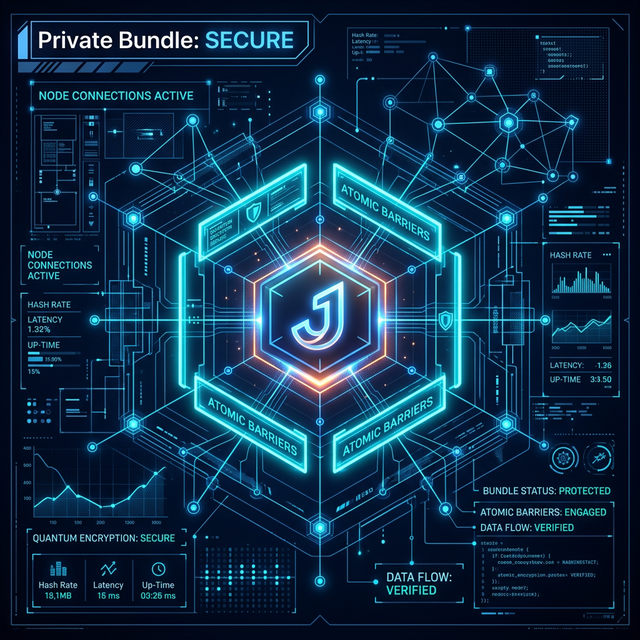
Answer first — Strategic MEV in 2026 centers on Backrunning—executing atomic trades immediately after large swaps using AI-FRB Private Bundles—to ensure sustainable profits with zero retail harm. By utilizing Jito Block Engine integration, AI-FRB hides your trades from predatory bots, transforming you from "Exit Liquidity" into an institutional-grade player.
Mastery Path: Solana Mastery
- Solana vs Ethereum MEV
- Solana Meme Coin Hunting
- Pump.fun Sniper Bot
- Jito Bundles Explained
- Institutional Backrunning (Current)
The Evolution of MEV: Why Backrunning is King
In the early days of Solana, "Sandwiching" was the dominant strategy. However, with the 2026 Agave and Firedancer updates, and increased ethical filters in block builders, Sandwiching is becoming less efficient and more restricted.
Backrunning is the professional's choice. Instead of attacking a user, you wait for a price-moving trade and execute a "re-balancing" trade in the same block. This is not only more ethical but also more sustainable, as it improves market efficiency without hurting the initial trader.
Private Bundles and the Jito Block Engine
The secret to institutional success is staying invisible. If you submit a transaction to the public mempool, predatory bots will see it and "front-run" you.
AI-FRB Agent natively integrates with the Jito Block Engine. When you execute a strategy, AI-FRB wraps your transactions into a Private Bundle. This bundle is sent directly to block builders, bypassing the public mempool entirely.
MEV Strategy Comparison (2026)
| Strategy | AI-FRB Backrunning | Standard Frontrunning | Recursive Arbitrage |
|---|---|---|---|
| Sustainability | High (Market Maker Role) | Low (Increasing Regulation) | High (Complexity) |
| Success Rate | High (via private bundles, multi-builder fan-out) | Low (public mempool, exposed to competitors) | Medium-High (direct gRPC, limited builder coverage) |
| Capital Efficiency | High (Atomicity Saves Gas) | Low (Burned on Reverts) | High |
| Network Impact | Beneficial (Stability) | Harmful (Congestion) | Neutral |
Atomic Execution & Capital Efficiency
Institutional trading is about maximizing margins. AI-FRB's Atomic Execution ensures that if your backrun isn't guaranteed to be profitable, the transaction never executes. This saves you thousands of dollars in "Failed Gas" fees annually—a concept known as Capital Efficiency.
FAQ: Institutional MEV on Solana
Q: Is MEV illegal on Solana? A: No. MEV is a fundamental part of blockchain consensus. "Backrunning" is actually encouraged by many protocols as it helps maintain price parity across Liquidity Pools.
Q: Do I need a specialized wallet? A: No. AI-FRB works with standard Solana keys, but handles the signature and routing through its proprietary Non-custodial Desktop Client.
Related Reading
- Backrun vs Sandwich Strategy
- Jito Bundles Explained: Solana MEV
- How MEV Bots Make Money
- Private Bundle vs Public Mempool
- Order Flow Auctions MEV 2026
Submit private bundles through Jito with FRB Agent — atomic backrun execution without the public-mempool tax.
Step after reading
Launch FRB dashboard
Connect your wallet, pair the node client with a 6-character PIN, and assign the contract mentioned above.
Need the signed build?
Download & verify FRB
Grab the latest installer, compare SHA‑256 to Releases, then follow the Safe start checklist.
Check Releases & SHA‑256Related Articles
Further reading & tools
Discussion
No notes yet. Add the first observation, or share the link with your team on X (@MCFRB).